
Fungi: a path toward a healthier and more productive agriculture
The use of synthetic fungicides destroys part of the existing flora—both pathogens and other species. This depletes natural biodiversity and creates gaps that can make it easier for new attacks to occur. In contrast, introducing beneficial fungi that develop alongside the existing natural flora helps strengthen biodiversity and reduces the space available for new microbes.
That is why Actiphyt focuses exclusively on fungi whose effectiveness depends on their ability to develop in the soil or on the plant.
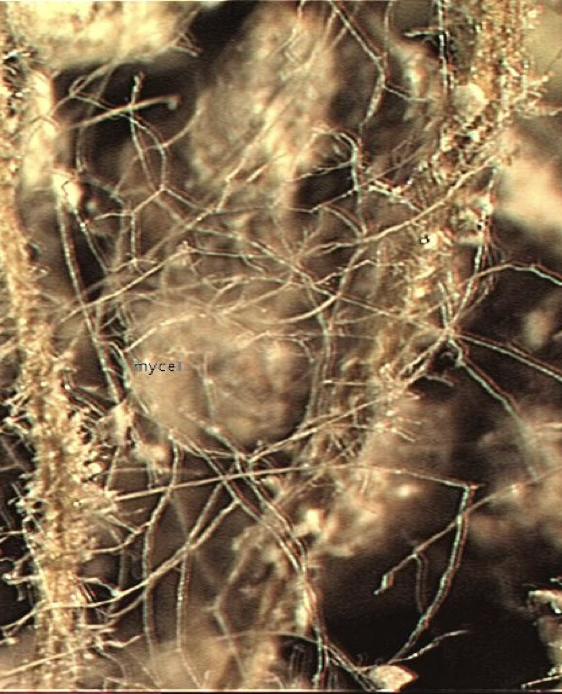
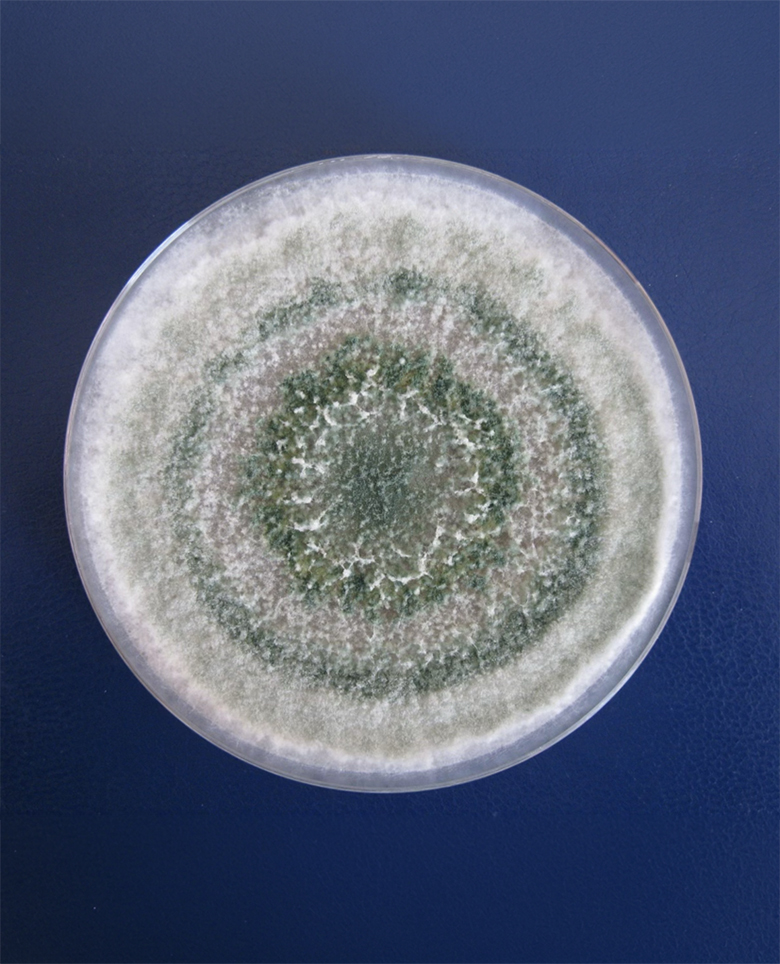
The study of antagonisms and symbioses between microorganisms, along with research into the mechanisms that help overcome constraints on crop development, reduce stress, increase nutrient availability, and enhance the plant’s ability to absorb, transport, and utilize them, has led to the development of biostimulants and biocontrol products based on microorganisms.
This research has also highlighted the importance and complexity of the role of microorganisms in crop nutrition and production processes, as well as the many interactions between plants and their microflora.
Microorganisms in agriculture
For several decades, whether for fertilization or crop protection, chemistry has generally relied on simple approaches that have delivered remarkable gains in yield. However, these simplified approaches have overlooked the role of many beneficial microorganisms in soil functioning, crop development, and plant health, and the use of chemical inputs has often led to a depletion of naturally occurring microbial communities.
In recent years, driven by rising fertilizer prices, supply constraints on certain minerals, yield plateaus, increasing resistance to pesticides, and pollution concerns, there has been a renewed need to revisit key areas using new approaches, such as:
→ plant growth and development,
→ non-pathogenic microorganisms in aerial parts of plants and in the rhizosphere,
→ stimulation of crop defenses and biological antagonisms.