CLINSOL,
a comprehensive solution
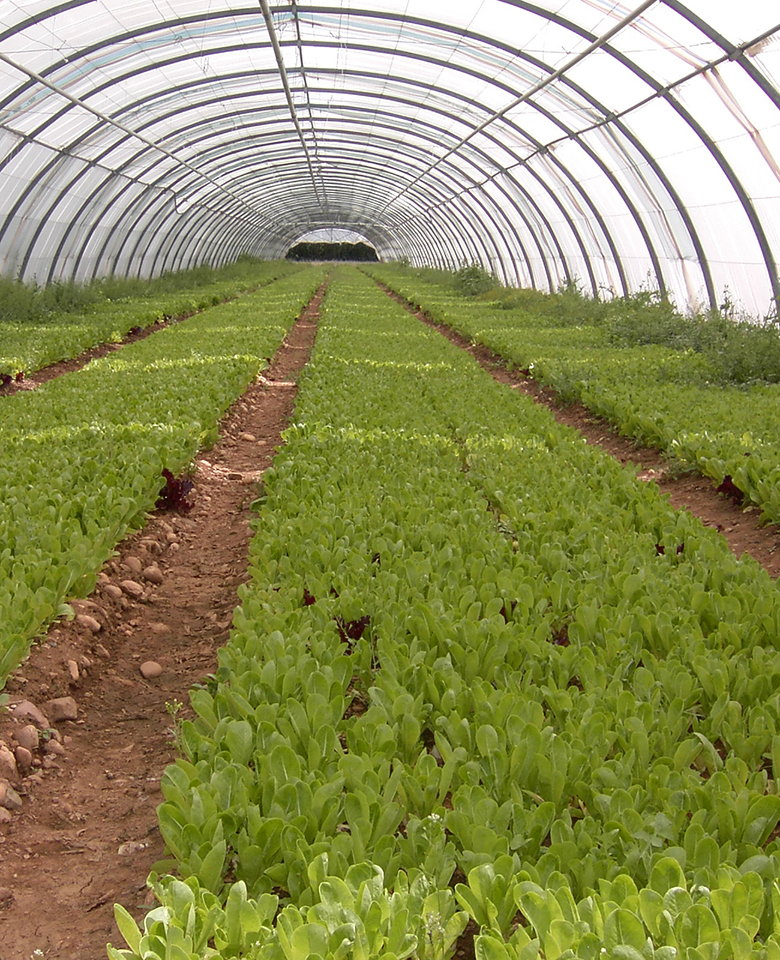
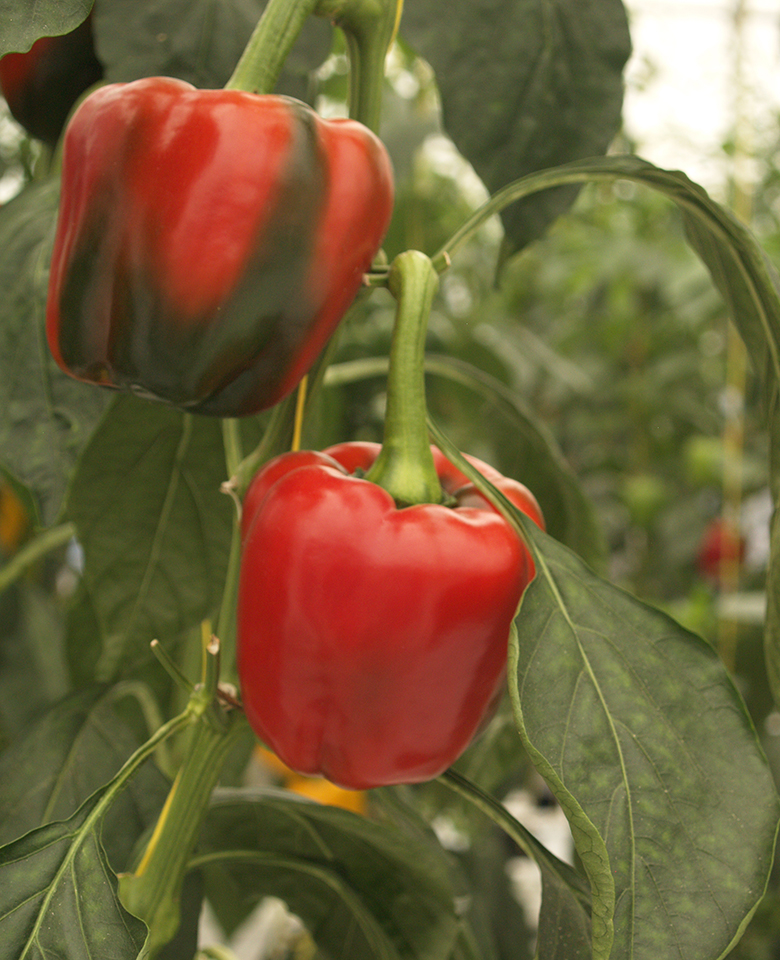
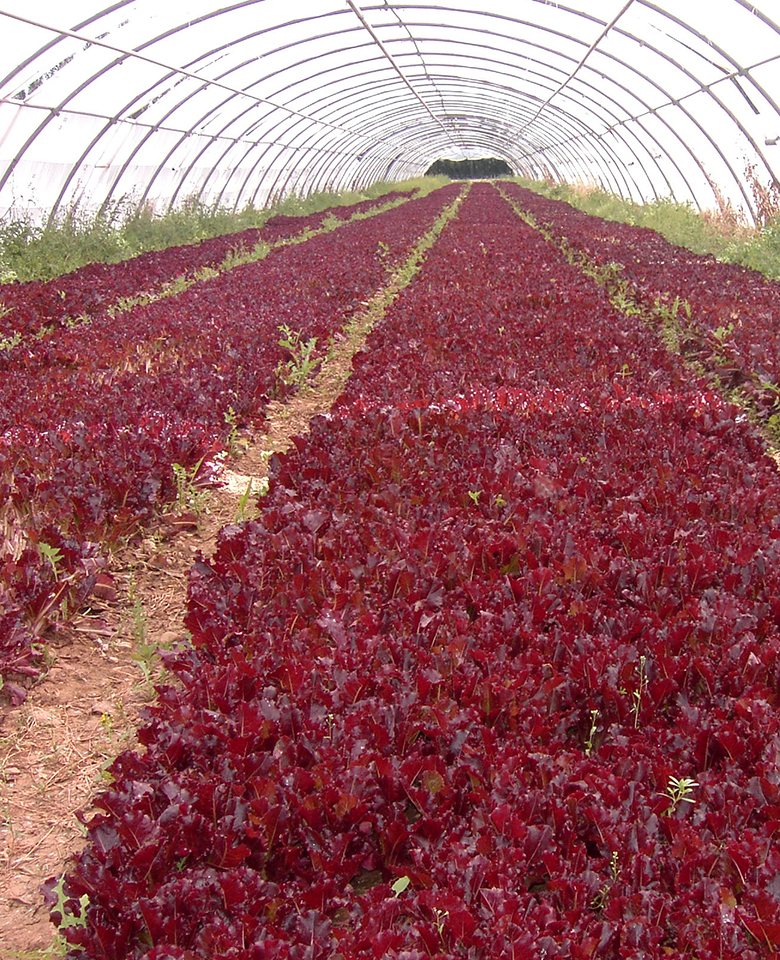
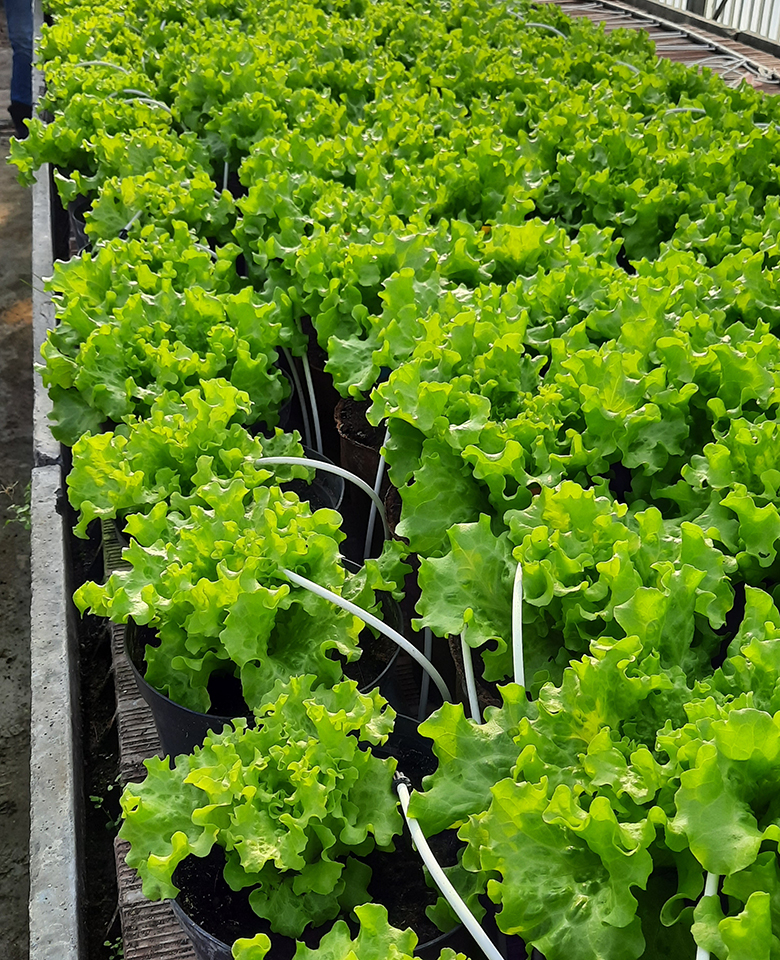
The application of CLINSOL has a range of effects on crops, making it a comprehensive solution that can support the plant from sowing or planting through to harvest. Although it can be used during the growing cycle, it is best applied from the outset and then regularly thereafter.
CLINSOL is a biostimulant applied to the soil or used as a seed treatment, containing a selected strain of Trichoderma hamatum and a selected strain of endomycorrhiza.
This Trichoderma, thanks to its strong ability to develop in the soil, helps colonize the rhizosphere and promote a beneficial microbial community. This versatile strain has a biostimulant effect in market gardening, horticulture, and field crops, with positive impacts on growth, yield, and the quality of harvests across many crops.
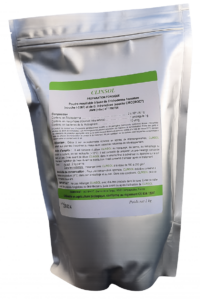
Approved in France and Italy
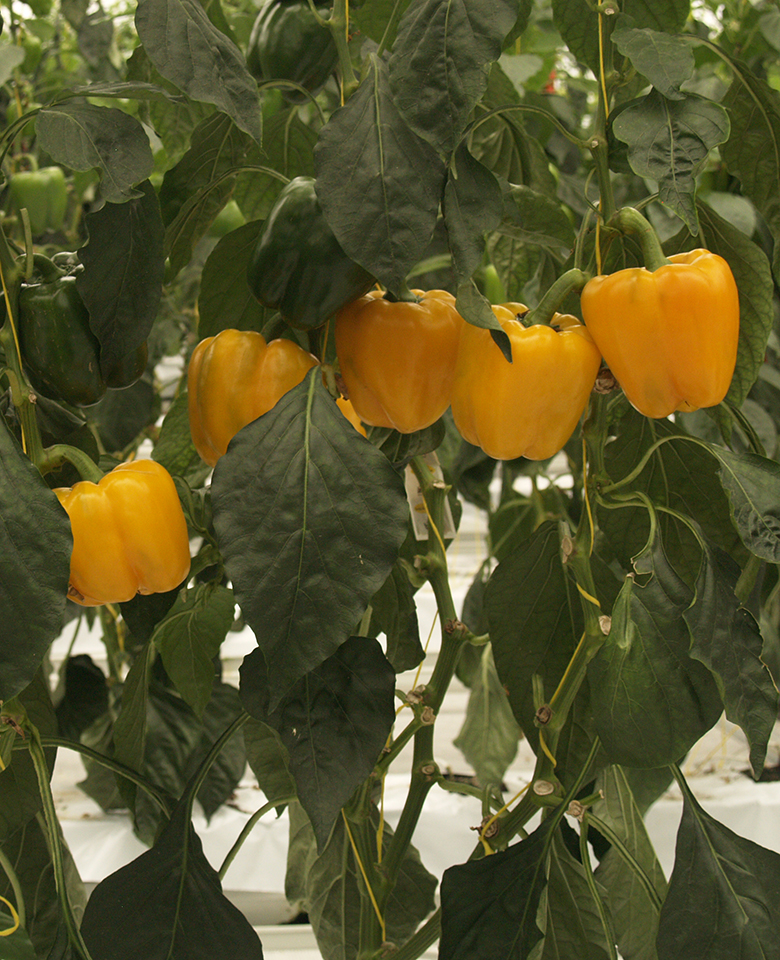
CLINSOL is approved in France (AMM No. 1190704) and in Italy for use on all crops (except potatoes, carrots, turnips, etc.), for soil application (by spraying, mixing with potting soil, or watering) and as a seed treatment.
CLINSOL is suitable
for use in organic farming.
The beneficial effects of CLINSOL are made possible through several mechanisms.
Effects of CLINSOL on crops
On the one hand, part of the mycelium of Trichoderma hamatum is located at the root periphery, and this presence triggers various modifications or responses in the plant:
Increased availability of many mineral elements in the soil for the plant.
This effect concerns numerous nutrients such as iron, phosphorus, nitrogen, magnesium, and trace elements.
Drought resistance
The mechanism is relatively straightforward: colonization of the roots by the CLINSOL strain promotes better root growth, leading to improved water uptake and, consequently, greater available water reserves.
Salinity resistance
This results in improved germination rates, better growth of both shoots and roots, and higher water content in plants treated with CLINSOL.
Bio-remédiation
The high enzymatic capacity of the CLINSOL strain enables it not only to break down plant organic waste in the soil, but also to degrade many synthetic compounds such as pesticide and herbicide residues, whose accumulation can hinder proper crop development.
Effects of CLINSOL on the soil
On the other hand, Trichoderma hamatum also develops its filaments in the soil surrounding the roots. CLINSOL therefore has an indirect effect: by occupying space, it helps restore the balance of microbial communities in the rhizosphere.